Adri Velasco (2002, Málaga) is a multimedia artist, composer, and producer based in Hamburg, Germany, where he is pursuing the Master's in Multimedia Composition at the Hochschule für Musik und Theater.
His work is characterized by a fragmented and maximalist language that investigates the dialogue between contemporary and pop/urban aesthetics. Attentive to the concerns of his generation, he addresses issues related to Internet culture, multiple identities, and privacy in the digital age.
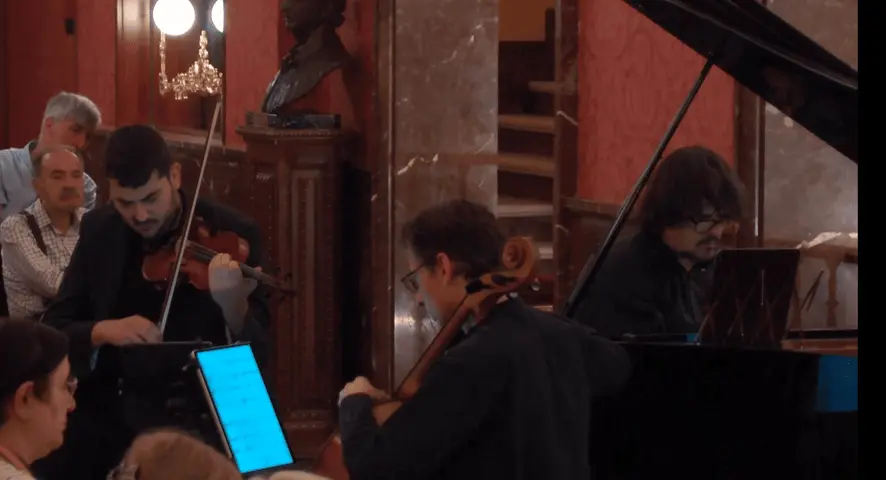
His pieces have been performed in renowned venues such as the Auditorio Nacional, the Ateneo de Madrid, the Museo Reina Sofía, the Teatro de la Zarzuela, the Centro Cultural Villa de Nerja, and the Sala Berlanga, among others. He was awarded the 2nd TZ-RCSMM Composition Prize, which led to the premiere of his piece by the Trío Arbós. In addition, his orchestral work Rumble was performed by the Málaga Symphony Orchestra.
He has studied with renowned composers such as Fernando Villanueva, José María Sánchez-Verdú, Óscar Escudero, and Enrique Ruedas.
Biography expectations: growing by 20% each year
He likes penguins.
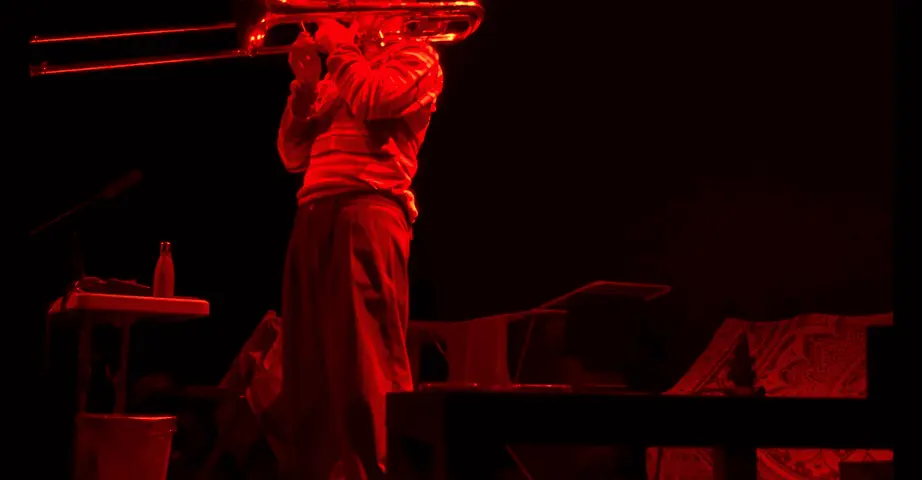
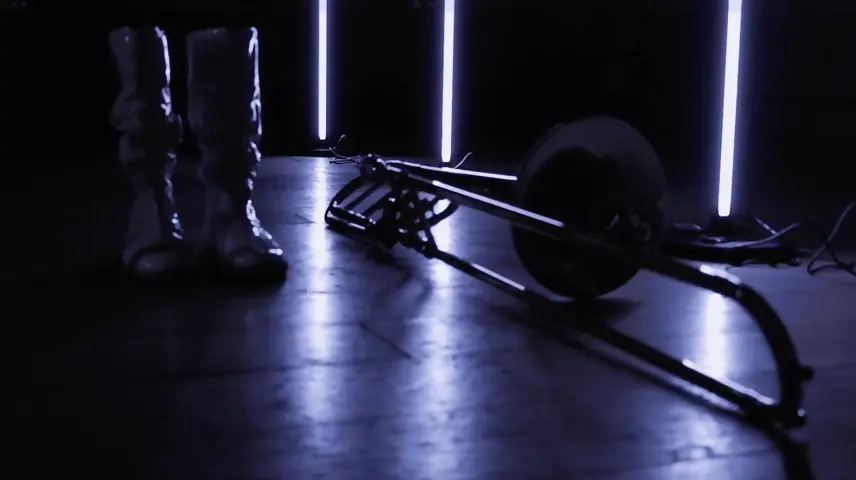
“Three Years of Evolution” showcases the
intimate and dynamic
relationship established between an individual, represented by the trombonist, and the demanding
city that will host him for the next three years.
Independence, far from being an
absolute
state, becomes a continuous process of negotiation with existing structures. The trombonist does
not
merely struggle with or against the city but also learns from it, discovering in its challenges
opportunities for growth and self-awareness.
Ultimately, it presents a personal
experience,
where the individual matures through the learning that arises from interaction with
expectations.
Dear pianist:
This musical
piece, if that’s what it is, aims
to
be
an amusement for your study sessions. Three minigames have been gently crafted to refine certain
aspects of your technique in an unusual, perhaps more enjoyable way, on your path toward the
virtuoso you have always wished to become.
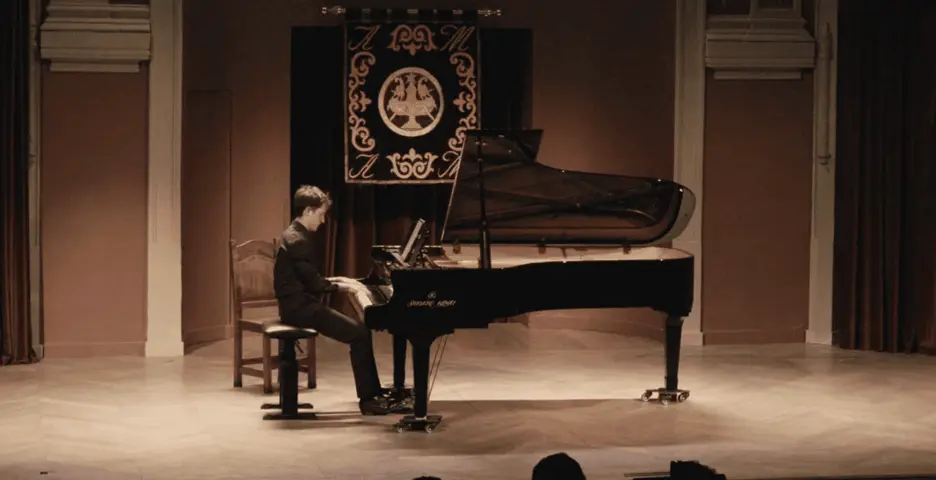
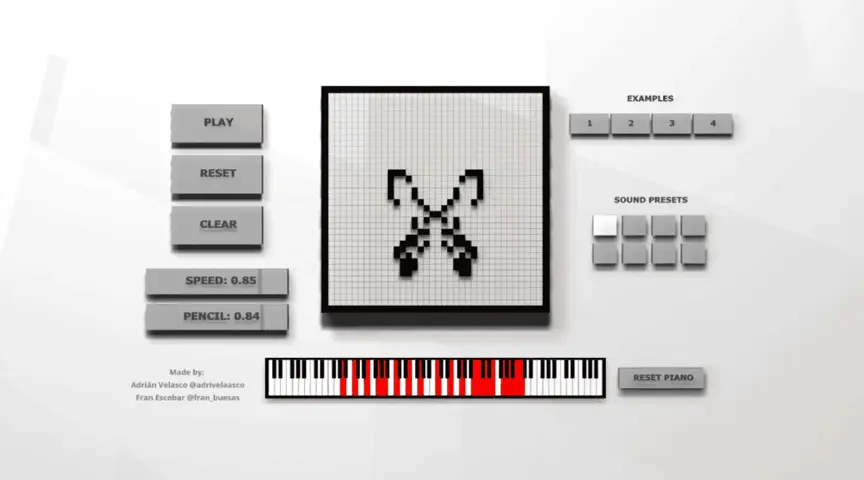
Pianogames lives in two versions. There’s the
cozy
home version and then there’s the concert version: same mini-games now framed by an
introduction, an
intermezzo, and a closing gesture worthy of the stage.
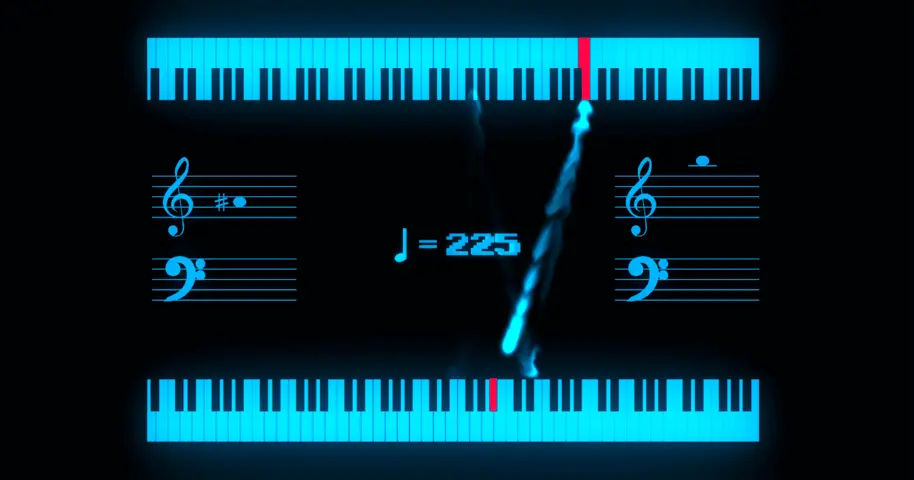
Game of Life is an adaptation of John
Conway’s traditional game. This
cellular automaton evolves deterministically according to its initial configuration, without
requiring further intervention.
In this musical recreation, as the board progresses, the
sound system responds to the player’s instructions—whether timbral, harmonic, or related to
tempo.
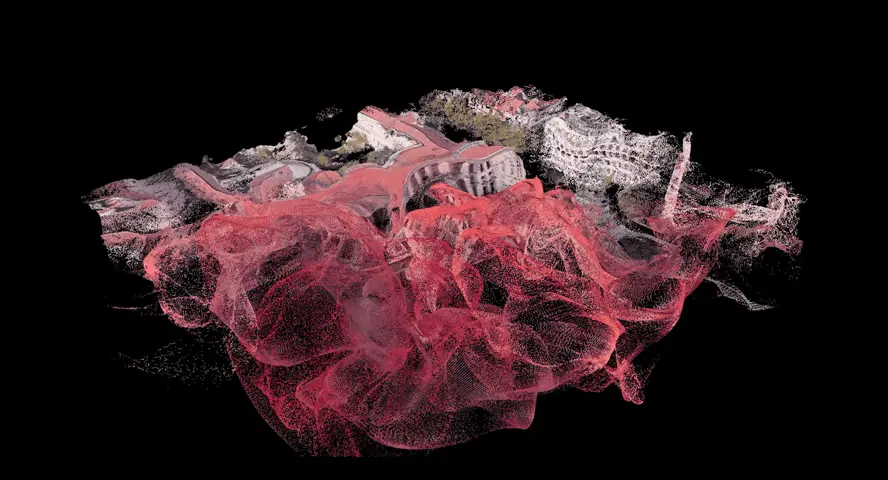
3D Modelling, Sound Design and Software Communication by Adrián
Velasco
Python
and Game Code by Fran Escobar
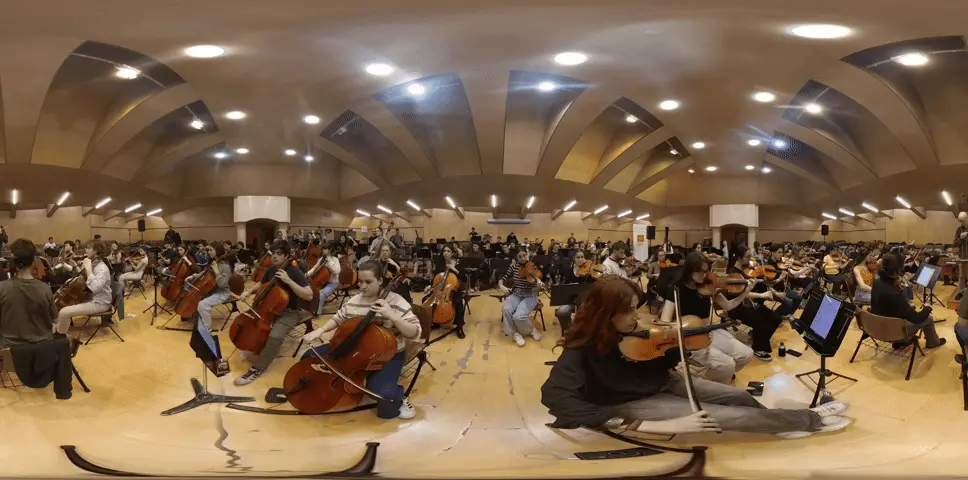
Rumble, is a piece for symphony orchestra, its title borrowed from the fourth track of Quest For Fire by Skrillex. A constant loop runs throughout, taking on multiple shapes in its various iterations. This loop aims for a linear evolution over the course of the work’s 113 measures, yet it is occasionally disrupted by musical “pop-ups” that interrupt the main discourse.
Ok, wait, listen to this: there’s a moment.
A moment when everything
fits. The light. The shadows. The music. The words. You’re there, in front of the screen, and
for
one tiny yet infinite instant, you feel… something. Not satisfaction. Something much
better.
A spark of electricity rising from your fingers to the back of your head. The
perfect
video. You did it. It’s real. Here and now.
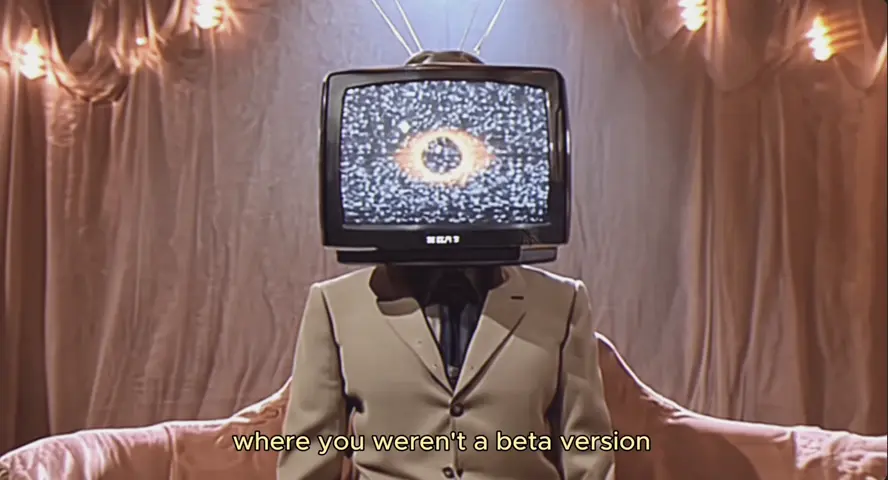
But can the magic lasts?
Some captions published on a private
Instagram account were
verbalizing
many thoughts that I hadn't yet been able to formulate.
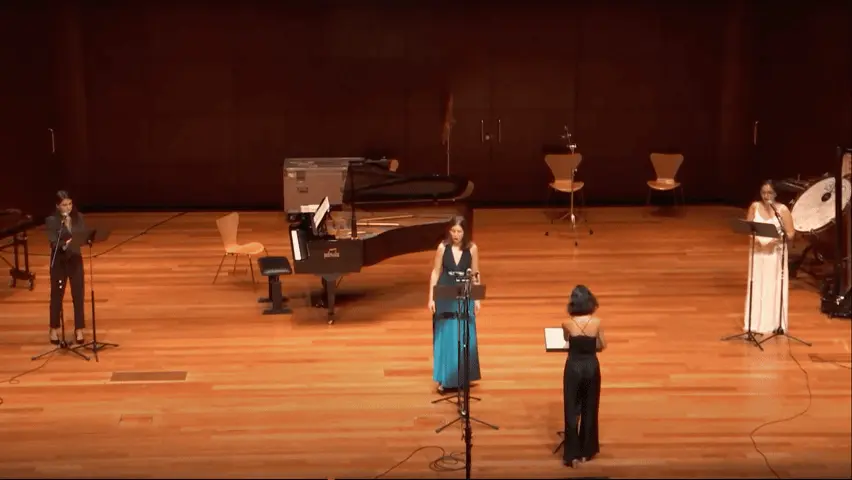
This piece collects some
writings by @rosello.alba, attempting to find that curious point in her texts where the chaotic
nature of the micro manages to balance with the coherent nature of the macro, without taking
away
the work's virtue of spontaneity.
Text: @rosello.alba
Voice: @desmelenao
This is simply about messing with the Madrid Royal Conservatory of Music.